


Bringing Physical AI to Life
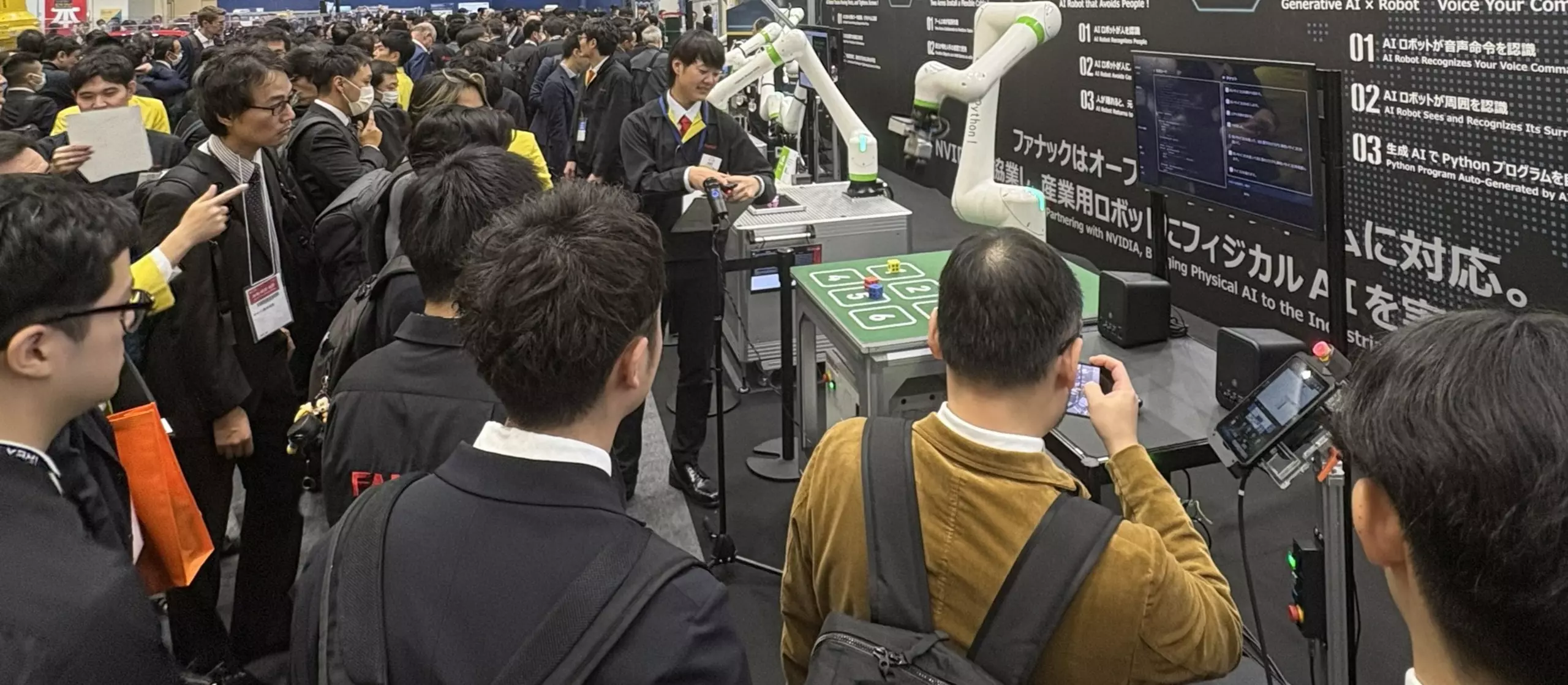
FANUC's collaboration with NVIDIA is unlocking new opportunities for factories, researchers and AI innovators worldwide. In this interview, Robert Koopmann, Chief Technical Officer at FANUC Europe, explains how the combination of industrial robotics and NVIDIA's Omniverse platform improves the digital connectivity across factories. He also shares practical guidance on how best to approach this process.
FANUC and NVIDIA have announced their collaboration in the field of physical AI. What does this mean for industrial robotics?
The companies complement each other perfectly. NVIDIA is an established leader in AI computing with Isaac Sim, its open-source, robotic simulation reference framework built on NVIDIA Omniverse. FANUC complements this with the realistic integration of physical robots. We bring real robotics to the digital world – NVIDIA provides the digital infrastructure.
What does that mean in practical terms?
Digital twins created in FANUC ROBOGUIDE integrate with NVIDIA Omniverse, which in turn maps the entire factory – from material flow and machines to autonomous transport vehicles and process data. Together, the systems create a realistic end-to-end simulation of the entire production chain. It enables the testing of applications in a true 1:1 simulation, the development of new applications, and faster problem identification and resolution with the help of AI. The key factor is the ability to replicate real robot behaviour with near-perfect fidelity using the same algorithms as the physical robot.
What advantages does this offer companies?
Unlike purely digital AI applications, physical AI has a direct connection to real systems. AI-enabled robots support continuous, often unmanned operation, increasing machine utilisation and overall efficiency. This approach reduces errors, facilitates systematic problem analysis and ensures consistently high quality. Furthermore, AI-controlled automation supports early wear detection, enabling proactive maintenance and helping to avoid costly unplanned downtime. In short, AI makes proven robotic solutions even more effective.
When will the solution be available for use?
Yes, immediately. We already demonstrated productive applications at the iREX robotics trade fair in December 2025 and have since received orders for more than 1,000 AI-enabled robots worldwide. While ‘greenfield’ projects, i.e. new plants, are ideal, we can also integrate existing plants digitally. In these cases, an iterative approach is essential.
Where should companies with limited AI experience start?
The logical first step is a structured analysis of the production environment with a FANUC expert, focusing on manual, repetitive tasks with clear automation potential. These are often found in end-of-line or despatch operations.
You can start with proven automation solutions, like robotics equipped with an image processing system. As complexity increases, AI-supported image processing tools, such as AI Bin Picking, provide the next step. A point of note: AI-assisted palletising and de-palletising applications provide a low-threshold introduction to physical AI.
What happens next?
Over time, the focus expands from individual applications to the entire process chain. In some industries, such as food processing, many steps are already automated, with only end-of-line activities remaining manual. In other sectors, it is possible to automate individual production islands, such as assembly or welding.
At some point, a major conversion may follow, involving the integration of sensor technology, the collection of production data and the digital modelling of the entire factory. Then, preventive maintenance or the optimisation of material flows can follow with companies progressively introducing further AI-supported solutions. The key is to take the first step.
How far have leading companies progressed?
The major players are already quite advanced, particularly in offline programming and digital plant design. Until now, however, a gap remained between digital planning and physical implementation, often due to missing interfaces or discrepancies between real and simulated models. Today’s models are becoming more realistic: simulating influential factors such as lighting conditions or sensor data, while AI-based filters and probability checks are further closing the gap.
What are the limits of this technology?
The current limits of physical AI are largely defined by the data available to the systems. With the increasing input of quality data from sensors and the introduction of additional physical devices, interaction with the production environment will improve further.
Today’s AI algorithms are predominantly tailored to specific use cases, meaning well-defined tasks in controlled environments. And yet the limits of what is possible are changing at pace. Systems are becoming more general in purpose and better at dealing with uncertainties.
Even the most advanced AI algorithms depend on robust physical hardware to realise the idea. FANUC’s robots combine high reliability, precision and performance, creating the stable foundation required to implement AI successfully in real-world production environments.
Do you also see risks?
Physical AI introduces additional interdependencies that require scrutiny. With our Dual Check Safety security software, we provide the necessary tool to target these risks. And FANUC’s CRX series of collaborative robots remains safe and TÜV certified, even when driven from AI software. This is among the unique strengths of our concept. It is important that safety architectures are in place that enable AI to enhance performance without compromising protection. Depending on the application and level of autonomy, AI risk assessments under the EU’s AI Act should also be considered.
What does the cooperation with NVIDIA mean for FANUC?
The partnership significantly lowers the barriers for AI innovators. NVIDIA Omniverse is a widely adopted development platform. Through the integration of FANUC robots, new opportunities for factories worldwide are presenting themselves. The fact that we support our customers and partners globally and offer the market’s lowest total cost of ownership, we are becoming more attractive for companies looking to scale physical AI solutions.
In addition to the NVIDIA platform, FANUC also supports open interfaces such as our Streaming Interface or the Robot Operating System (ROS), widely used in research and training. Our goal is to provide interfaces that meet industry standards while opening new markets. For example, we now have solutions that enable machine tool users to control robots directly from the CNC. By sharing our domain expertise with partners, we are positioning ourself as a key enabler of next-generation intelligent automation.
Other News
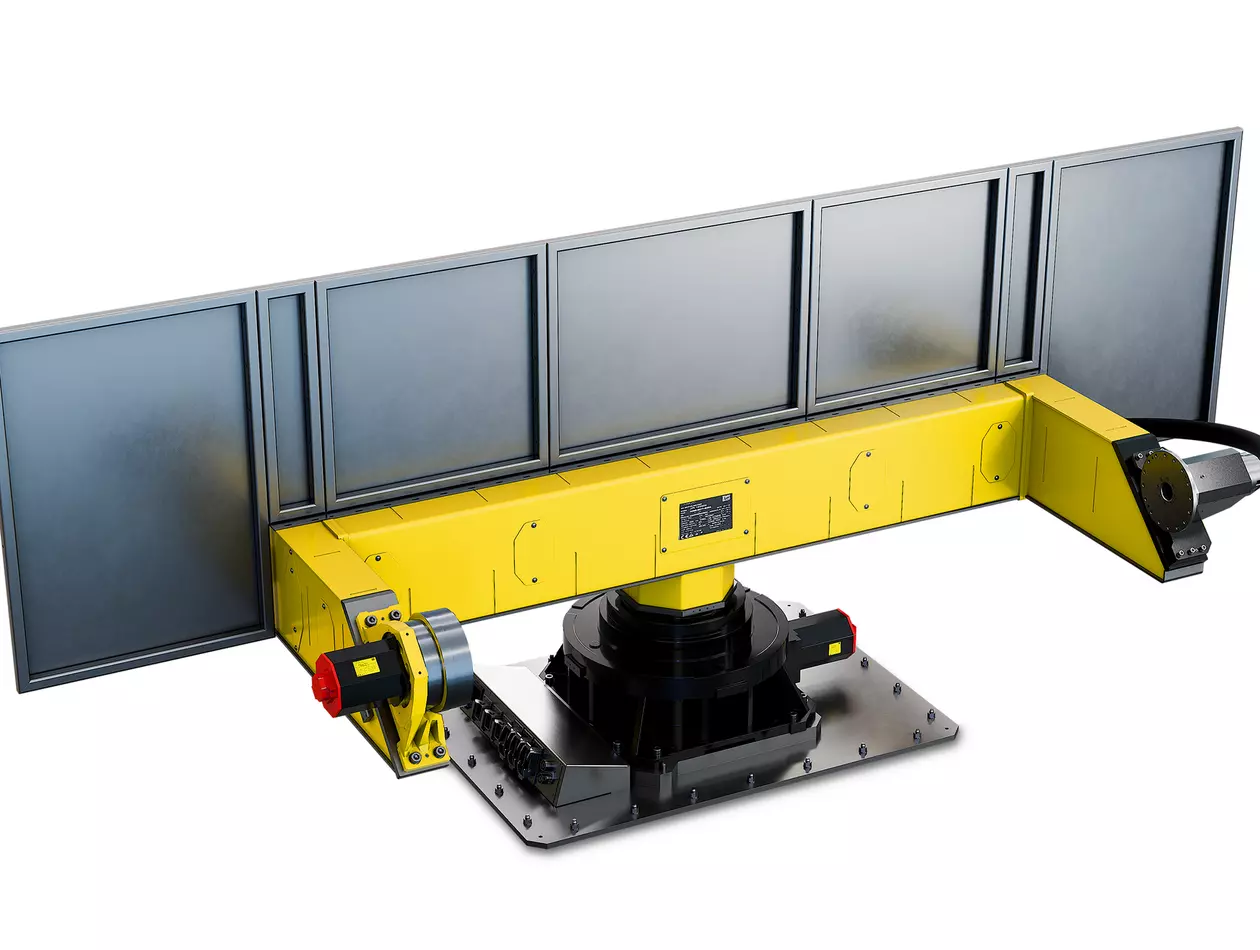
Launch of FANUC’s H-Frame positioner simplifies the specification of automated arc welding systems

FANUC Among Clarivate’s Top 100 Innovators
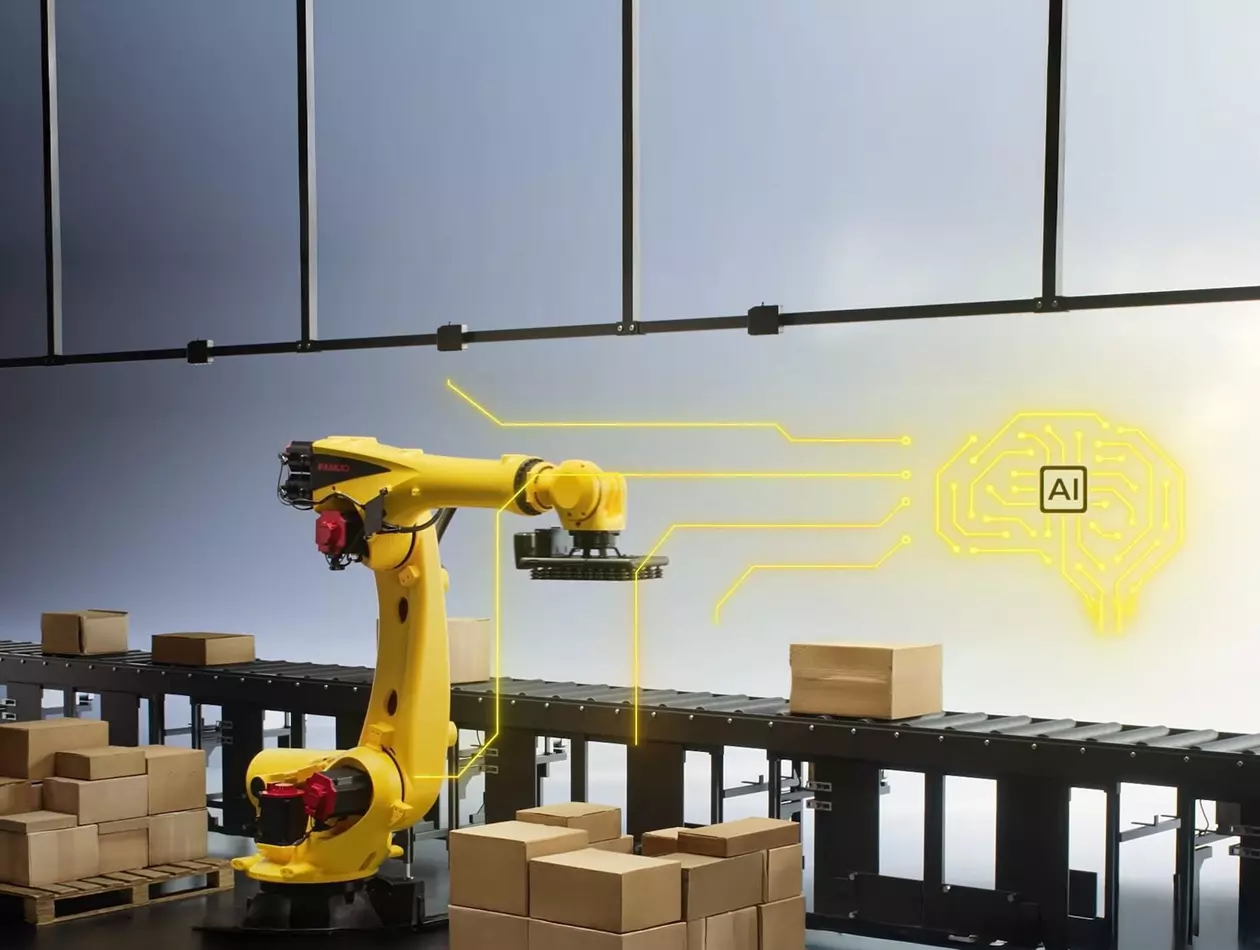
ROBOT New Technology: Open Platforms & Physical AI
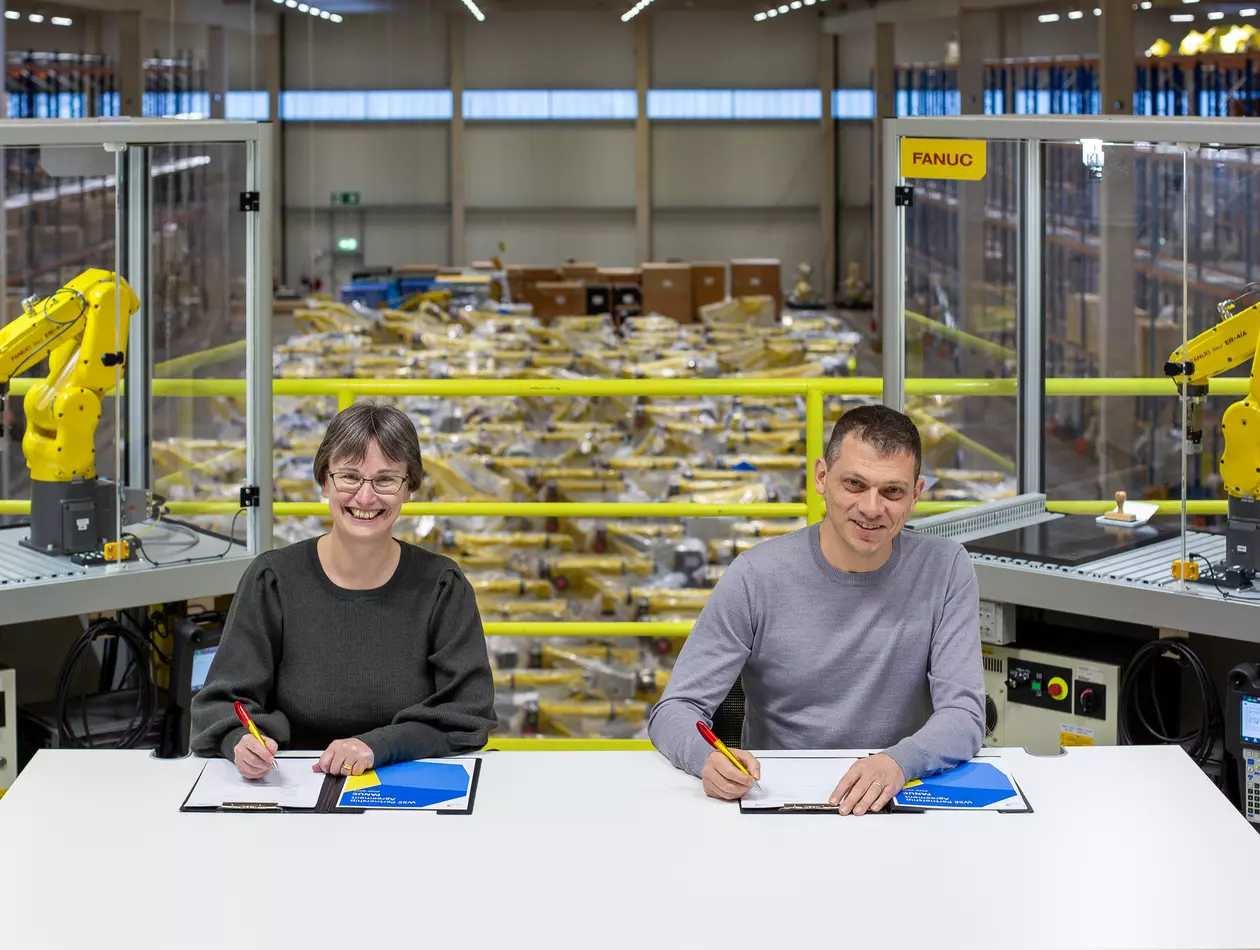
FANUC extends partnership with WorldSkills Europe
New High-Payload, Long-reach FANUC Robot makes Light Work of Heavy-Duty Applications
FANUC’s New Food/Cleanroom Robot pairs Hygiene with High Performance
FANUC secures Major Robot Order
Cutting, Welding, Milling and Drilling with New High-precision FANUC Robot