


High-Performance Production: More Parts, Less Energy




Služba Nitra
Služba Nitra is a Slovakia-based automotive supplier employing over 200 people. Its product range includes fuse boxes, PCBs, lighting components and stamped parts for major OEMs such as Audi, Škoda, Opel, Ford and Volkswagen, to list just a few. Founded in 1955, the company has evolved from a service provider into a modern manufacturing partner, holding certifications that include IATF 16949 and ISO 14001:2015.

FANUC Drives Productivity and Efficiency at Automotive Supplier
For Služba Nitra, the transition to automated production marks a defining step in its evolution as a modern automotive supplier. The company has invested heavily in FANUC technology to improve performance across its manufacturing operations, from injection moulding to final assembly.
“I can say that opting to partner with FANUC was one of the key decisions within my career to date,” says Miroslav Fülöp, Managing Director/CEO of Služba Nitra. “The brand strength, alongside the proven reliability and stability of the solutions, were decisive factors in selecting FANUC.”
From the position of a simple workshop performing mostly manual assembly, Služba Nitra has almost completely automated both final production and semi-finished product manufacturing, become one of the leading flag-bearers for automation and robotics in its region.
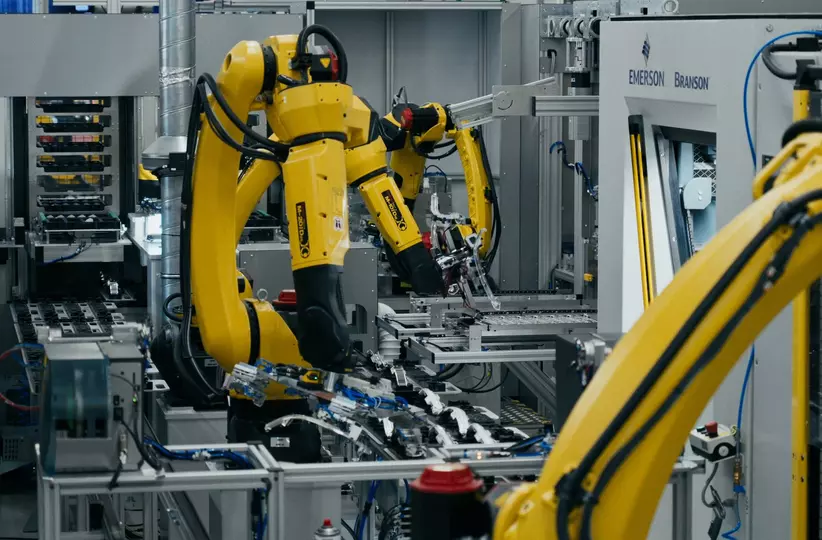
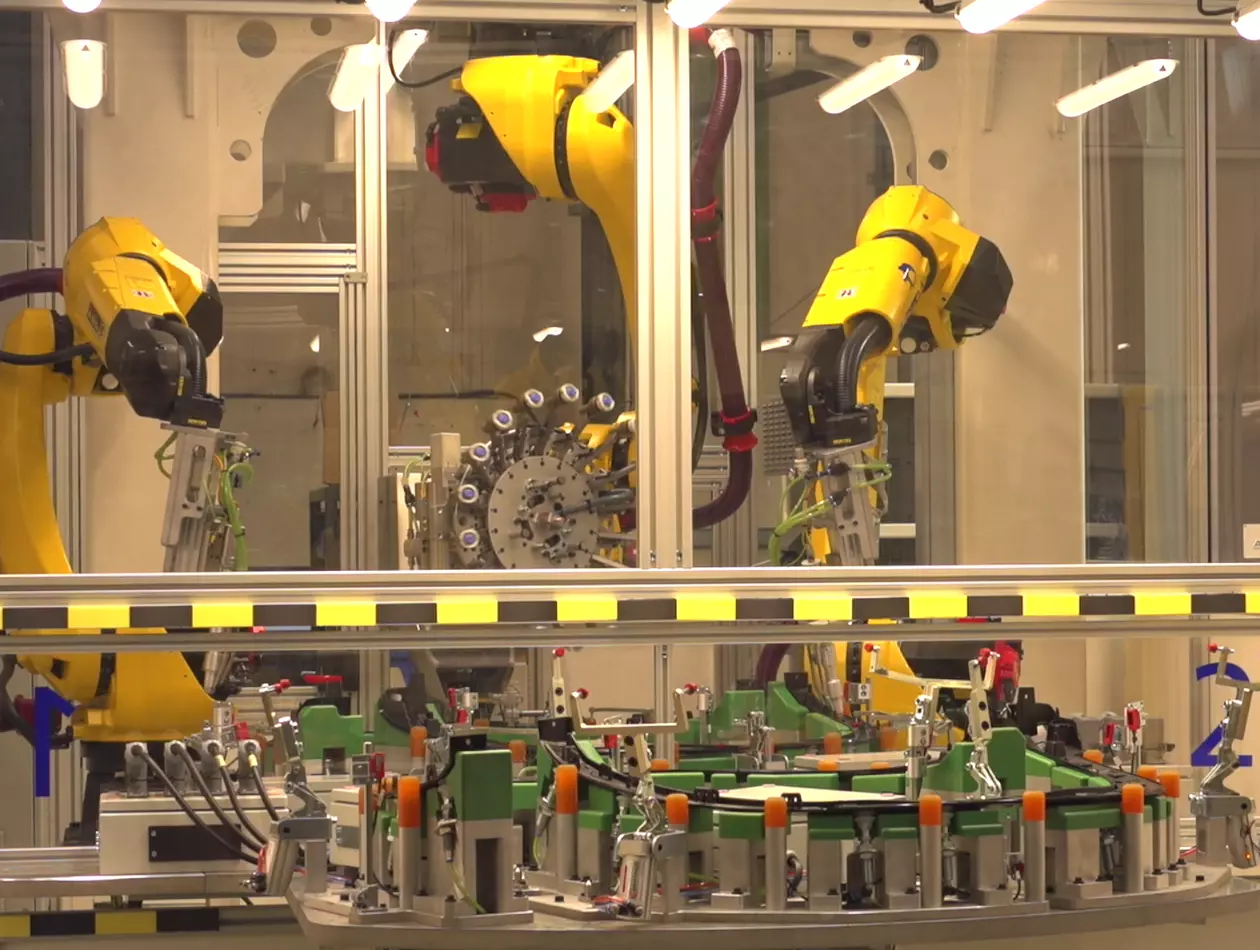
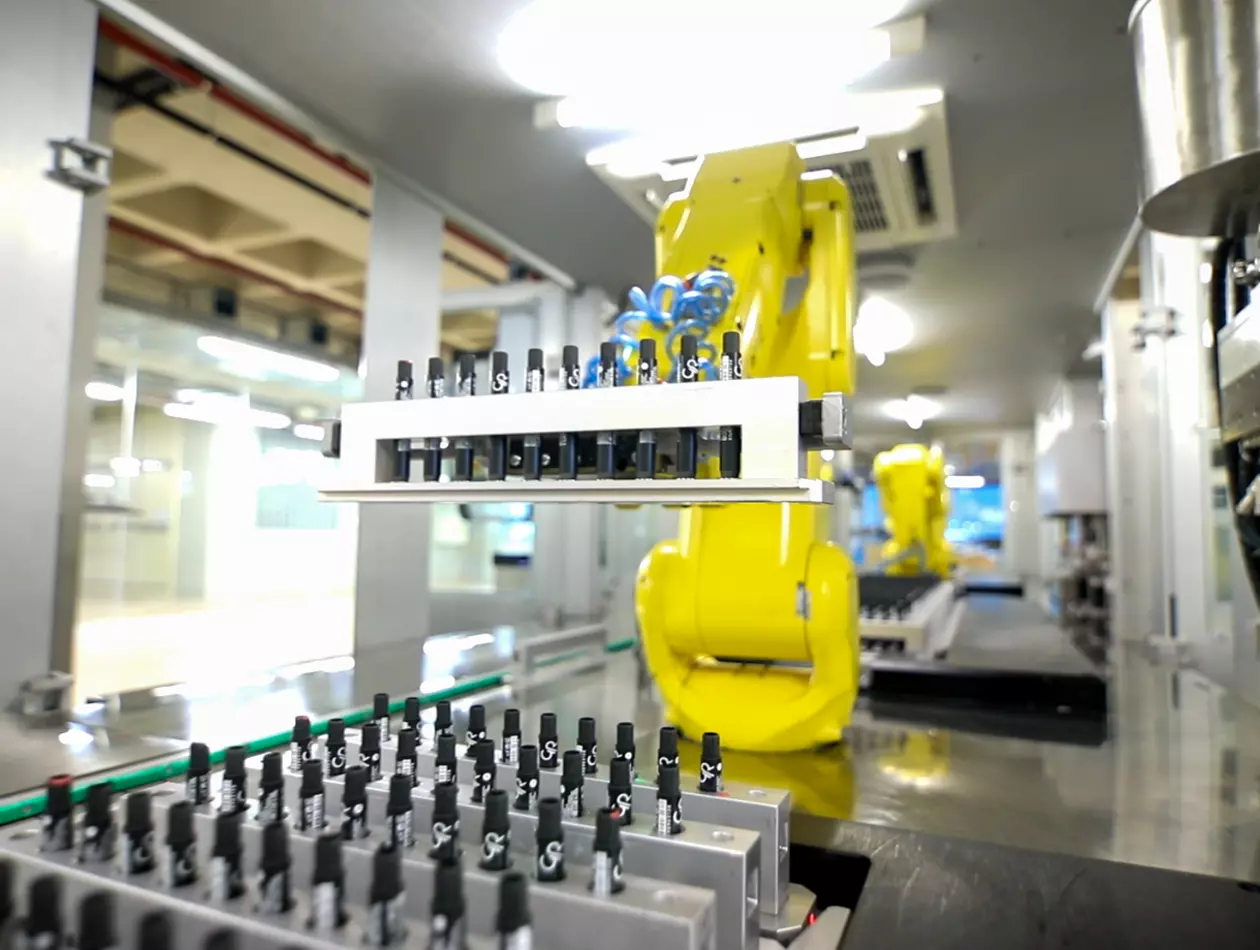
“FANUC contributed fully to our goals with its injection moulding machines and industrial robots,” states Fülöp. “The robots ensure consistent, repeatable processes on our production lines while reducing our dependence on manual labour.”
Operating in a highly competitive automotive environment, Služba Nitra identified three key metrics to evaluate the success of its automation project: labour productivity, energy consumption and product quality.


Miroslav Fülöp
Managing Director/CEO
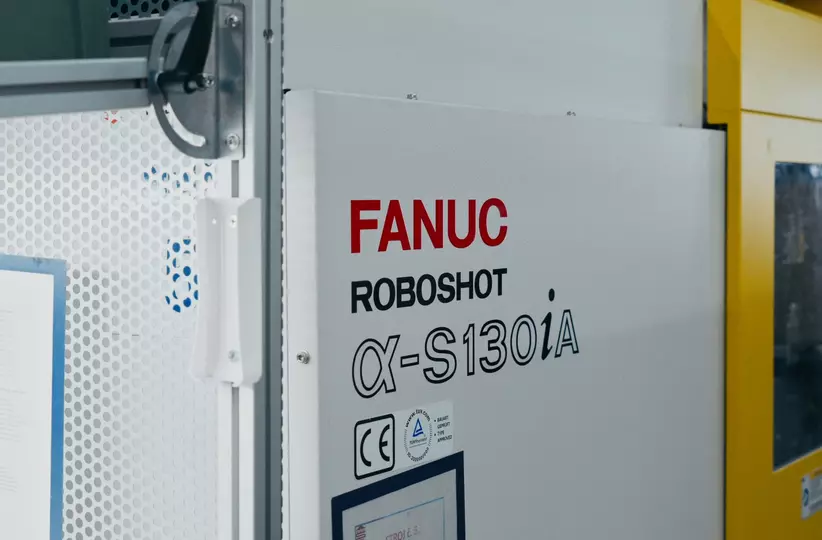
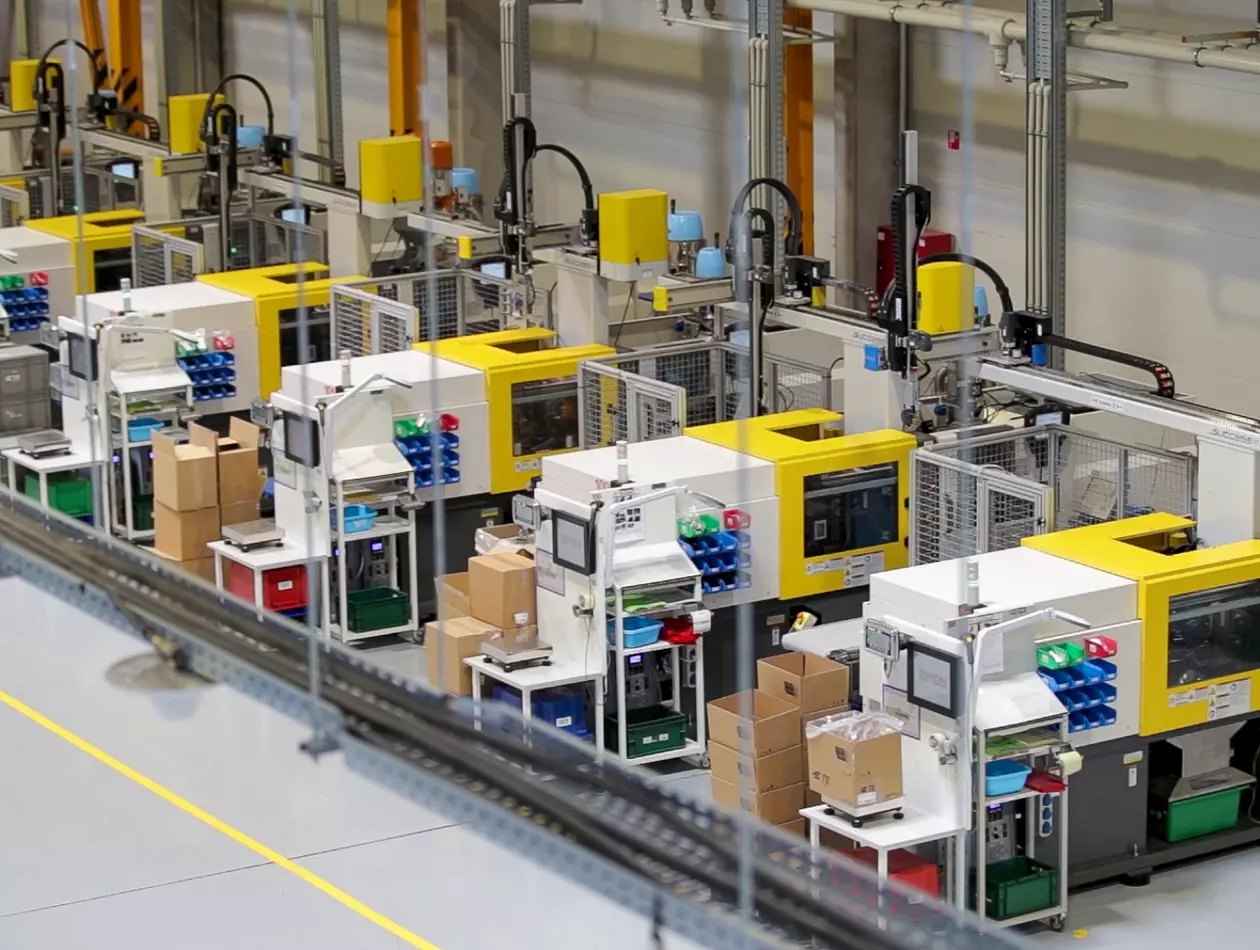
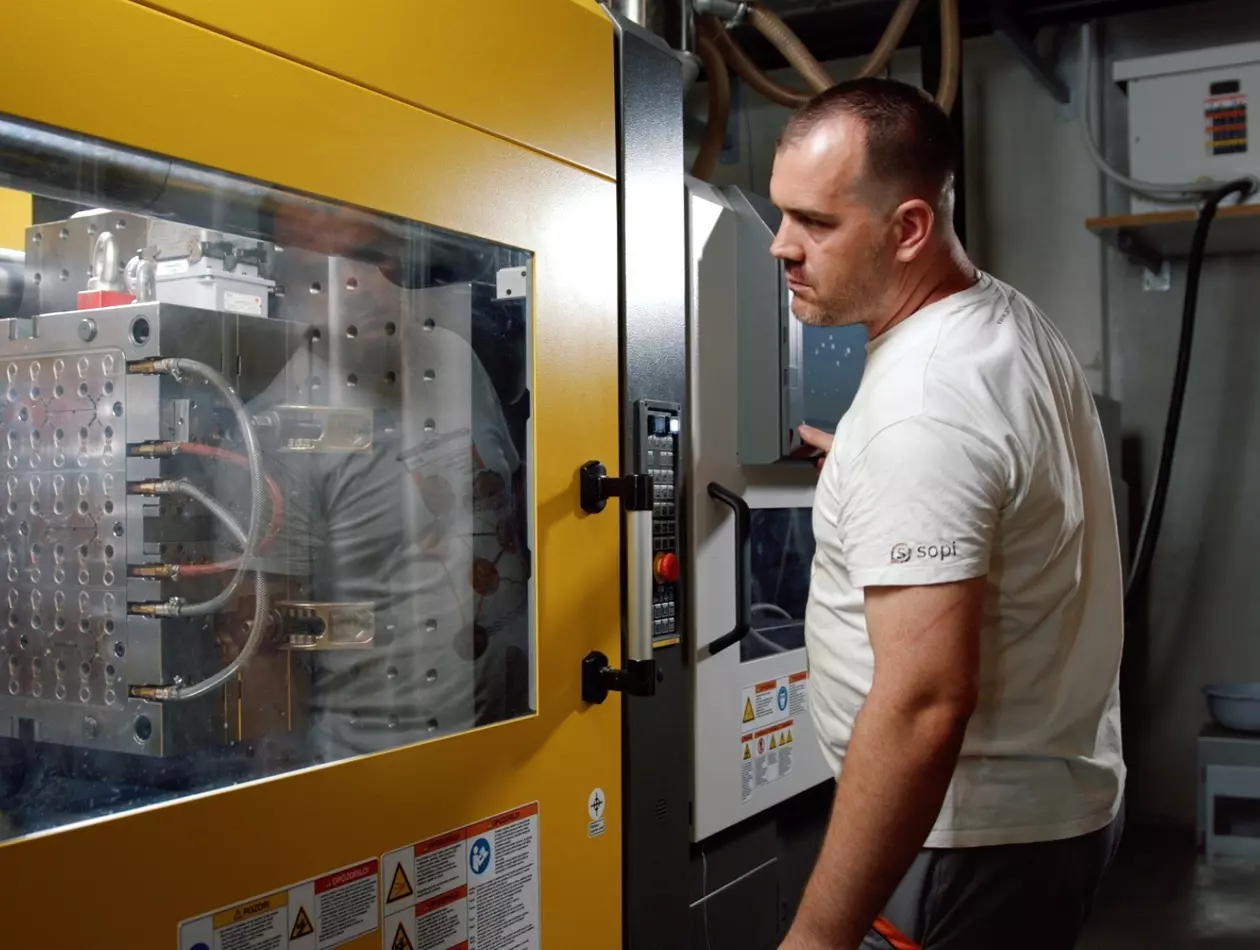
Concerning energy savings, because the mould shop is one of the plant’s economic centres, Služba Nitra replaced seven of its 14 injection moulding machines with high-efficiency, all-electric FANUC ROBOSHOT models, ranging from 130 to 500 tonne capacity.
“As a result, we have cut the energy consumption of our entire mould shop by approximately 50%,” reveals Fülöp. “From a factory-wide perspective, this contributed to an overall reduction of around 30%.”
Equally important is the impact of automation on quality. With stable, precisely controlled processes, the company has dramatically reduced defect rates.
“Thanks to the reliability of FANUC equipment and the precision it provides, we have reduced our internal error rate to an absolute minimum,” he says. “We are now operating at a near-zero defect level, in the region of tens per million.”
Local support also played a key role in the project’s success, as Fülöp confirms: “Support from the FANUC Service Centre here in Nitra has been excellent, giving us confidence that we can maintain high performance in the long term.”
Today, Služba Nitra stands as a prime example of how SMEs can successfully embrace automation to enhance competitiveness, sustainability and quality.
“We are very satisfied with the implementation of automation as a whole and in the context of the FANUC equipment,” he concludes. “The only thing we would do differently is to have started sooner.”
Get Behind the Technology: Discover Related Products
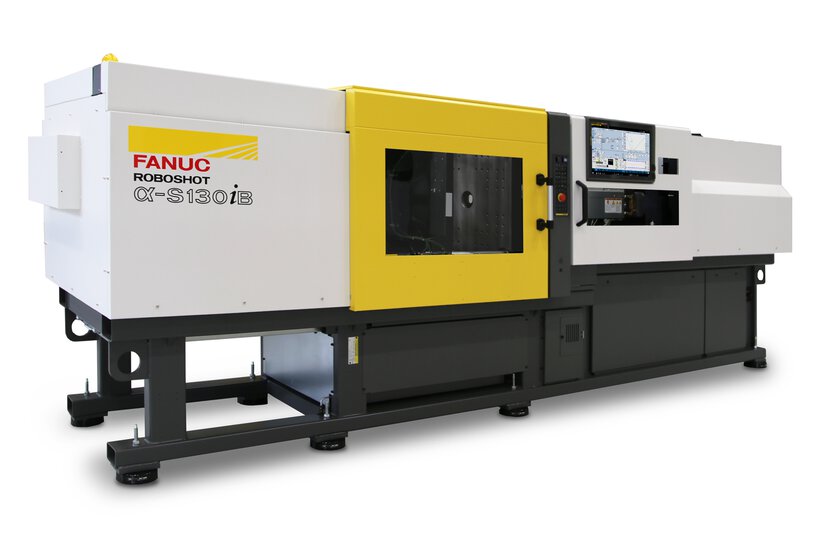
FANUC ROBOSHOT 𝛼-S130𝑖B
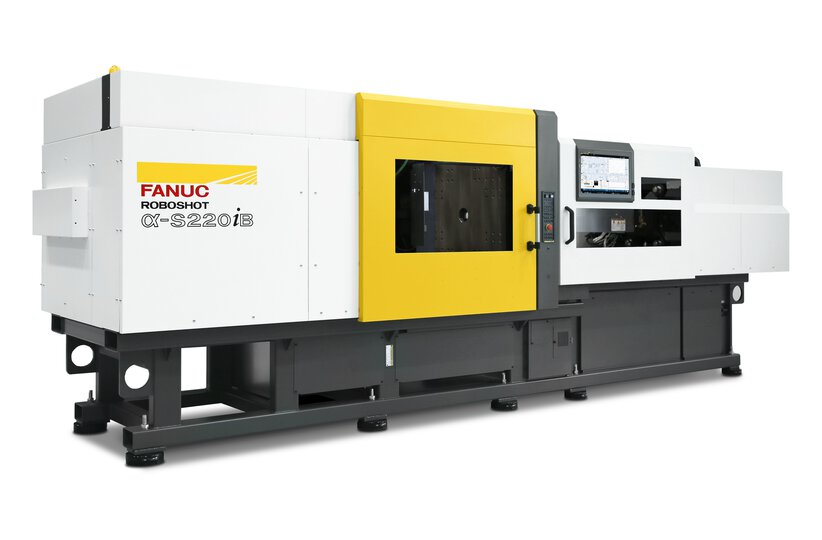
FANUC ROBOSHOT 𝛼-S220𝑖B
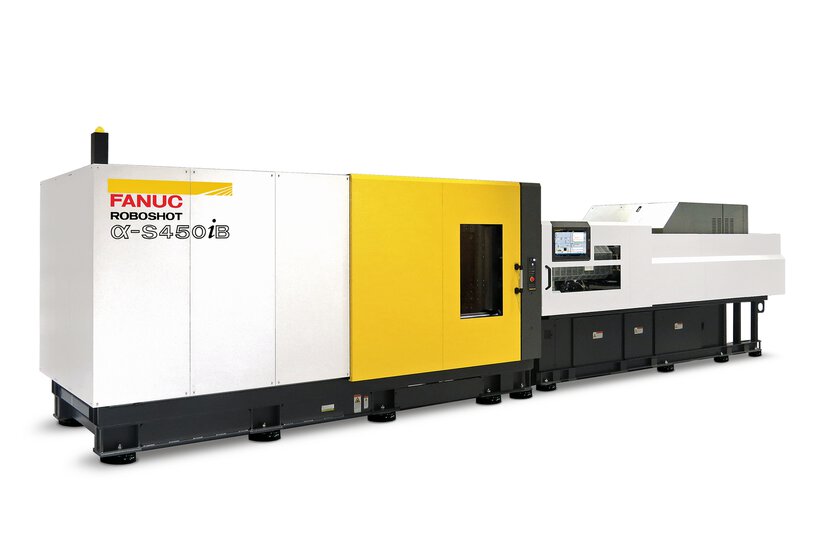
FANUC ROBOSHOT 𝛼-S450𝑖B
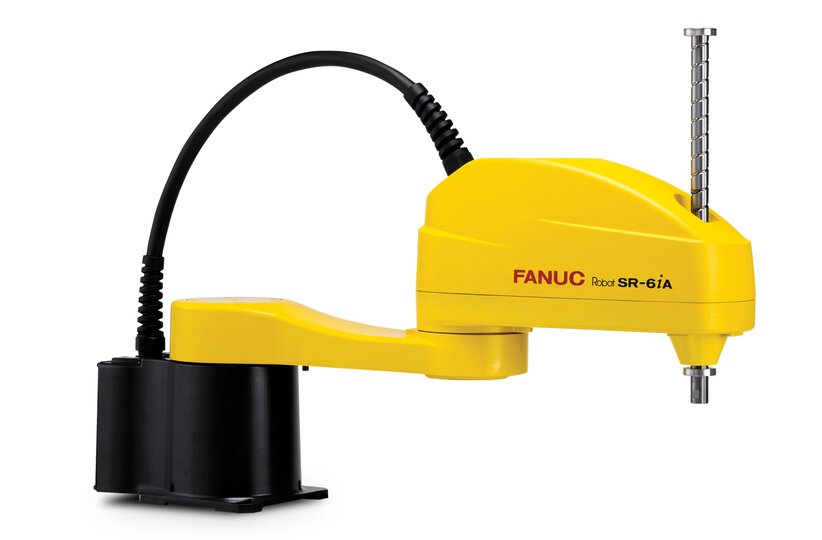
SR-6𝑖A

LR Mate 200𝑖D/7L
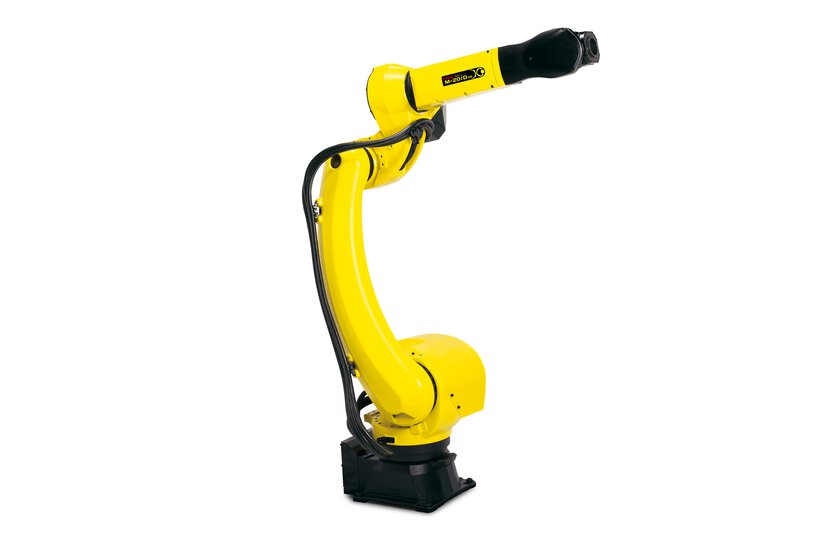
M-20𝑖D/25
Get Inspired
FANUC ROBOSHOT Machines Keep Things Simple for SIMON
High-volume plastics parts; thin walls; zero defects; short automotive lead times; demanding energy efficiency requirements. A growing number of manufacturers are combatting these common challenges by investing in ROBOSHOT high-performance, all-electric injection moulding machines from FANUC. Among their number is SIMON Plastics.
Leading OEM Drives Energy Efficiency With FANUC ROBOSHOT Machines
Although electricity prices levelled off across 2023 and 2024 following huge spikes in 2020 and 2022, they are still significantly higher than pre-pandemic levels, with many experts predicting they may remain high for the rest of this decade and potentially beyond. The way for beleaguered manufacturers to fight back is to invest in energy-efficient machinery, just like the FANUC ROBOSHOT injection moulding machine.
FANUC Robots Automate Precise Automotive Process
Automotive applications are among the most demanding automation tasks across all of industry. Sure enough, fast axis speeds and high productivity are key metrics, but in this particular project, precision and repeatability were also high on the list of priorities. With so many demands, it was FANUC industrial robots that stepped up to the mark.
FANUC Case Studies
Explore our comprehensive range of factory automation solutions, showcased in detailed case studies, and designed to optimise and streamline any manufacturing process.
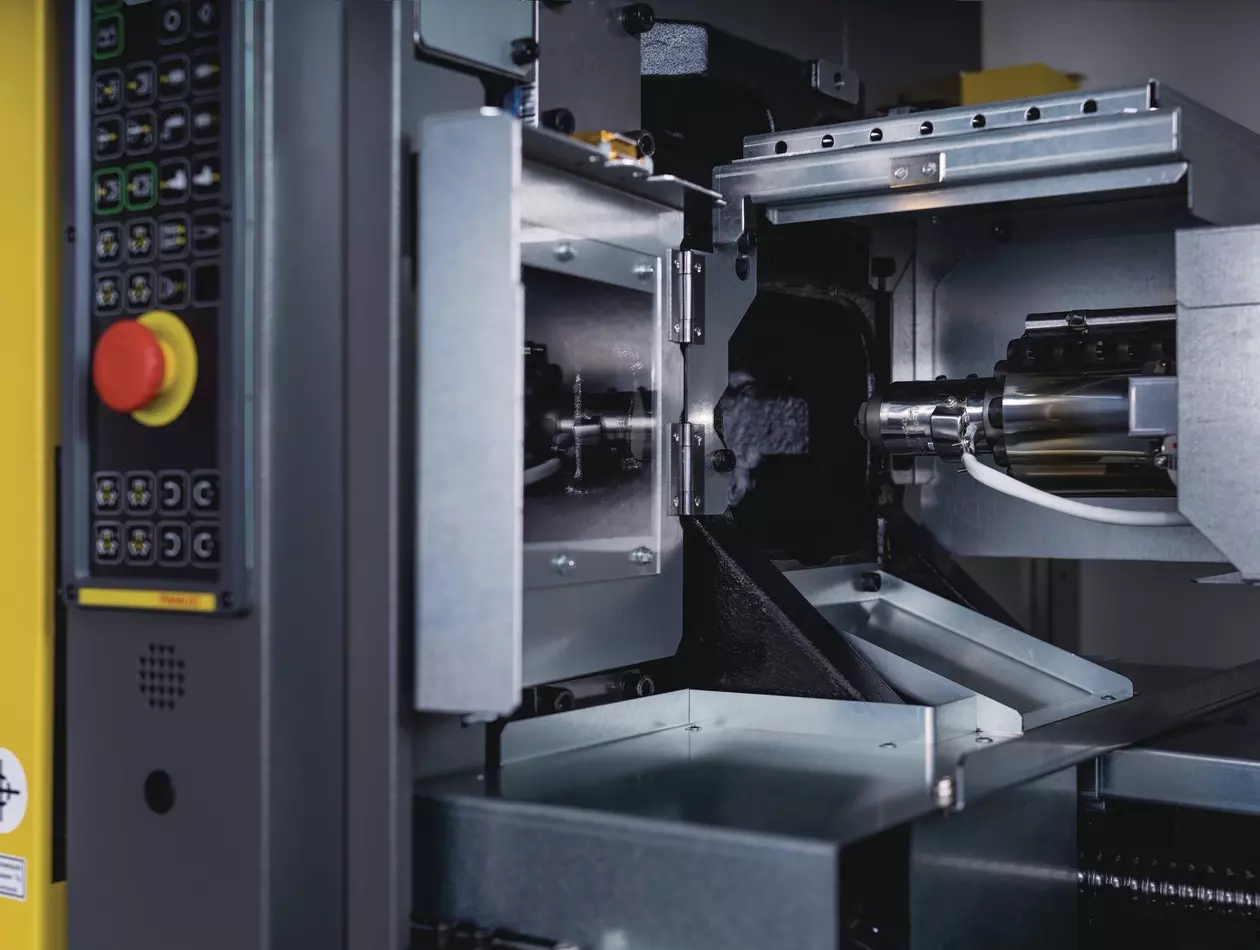
Injection Moulding
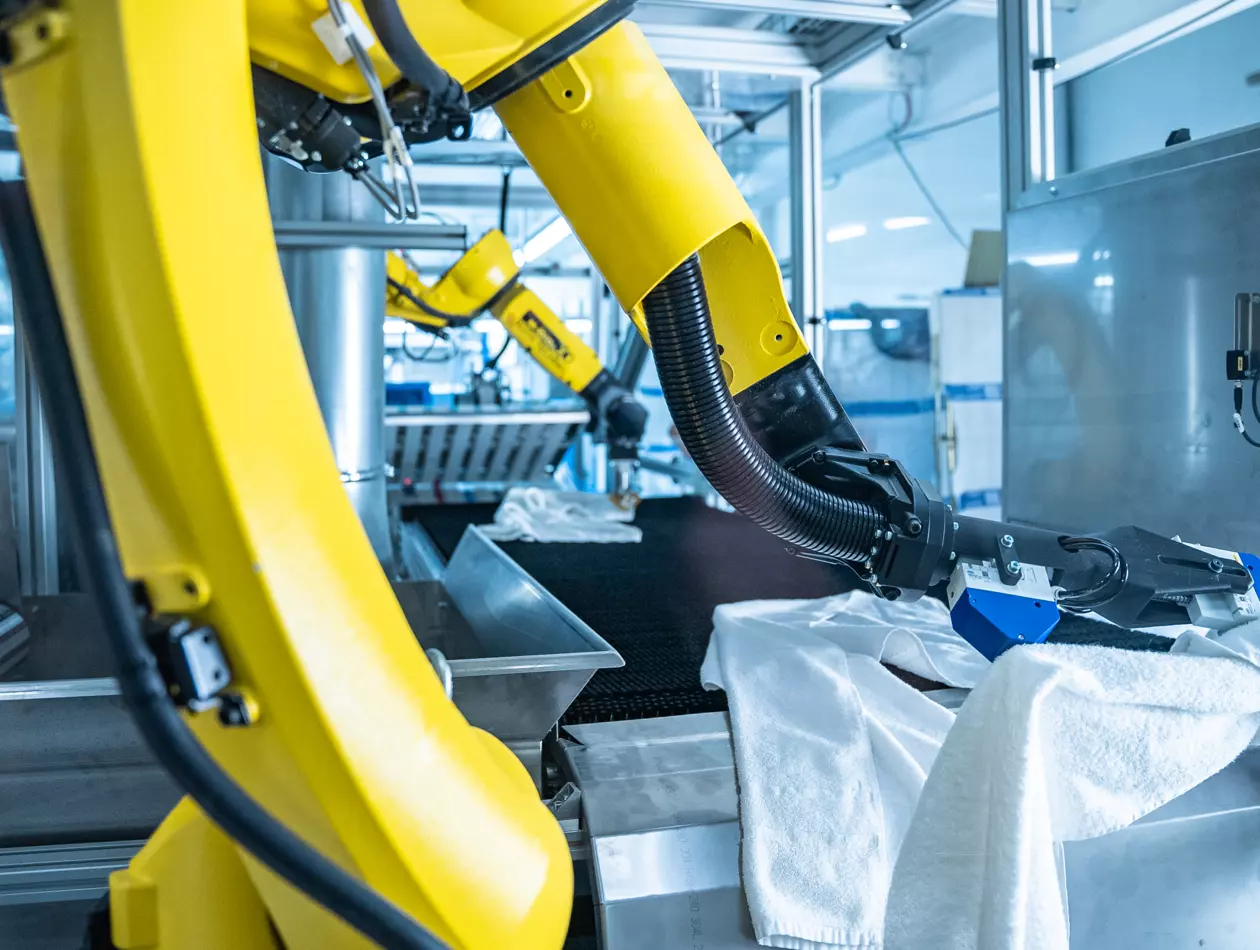
Material Handling
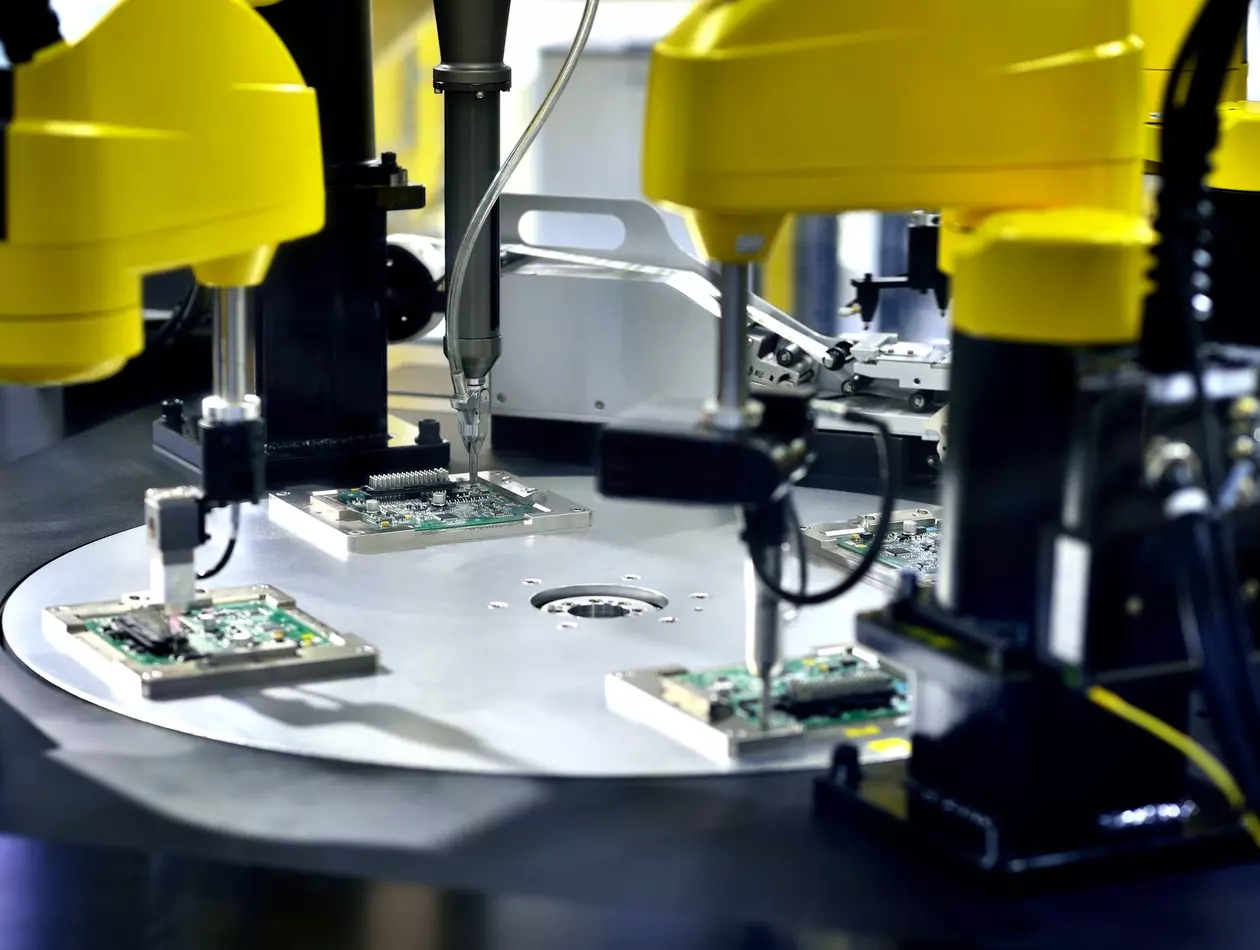
Assembling

Advanced Injection Moulding for the Automotive Industry