

Efficient Injection Moulding Machines Are Becoming Crucial
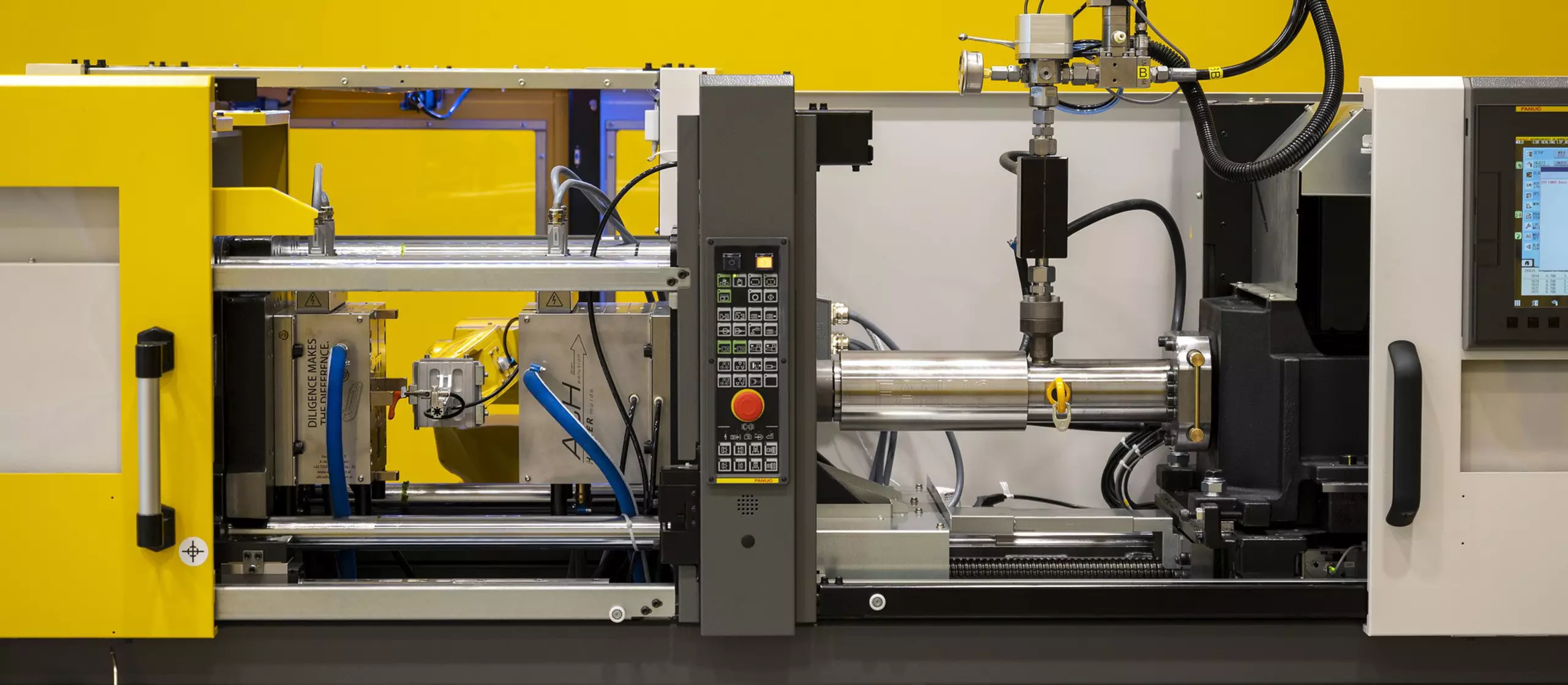
European manufacturers are struggling under mounting cost pressures. Persistently high energy prices, fierce competition from low-cost regions and increasing sustainability requirements are being exacerbated by the conflict in the Middle East. Ensuring the economic viability of production is crucial for the survival of entire sectors, particularly energy-intensive ones such as the plastics processing industry.
The switch from hydraulic to all-electric injection moulding machines (IMM) offers a solution here. Even compared to modern hydraulic systems, all-electric machines can reduce energy consumption by double-digit percentages whilst eliminating the significant water requirements of hydraulic technology – a major cost factor for the industry.
“But it’s not just about energy efficiency,” says David Pinter, IMM expert at FANUC Europe. “It is just as important to improve machine precision, repeatability and cycle times, as well as to reduce scrap rates and floor space.” This would help minimise raw material usage, whilst saving on unnecessary costs for factory space, says Pinter. Furthermore, automating smaller machines is often more cost-effective.
“Our ROBOSHOT machines meet all these requirements, from high-precision and energy-efficient CNC and servo technology – which we develop and manufacture ourselves – through to rapid machine set-up and adjustment, and an exceptionally small footprint.” Lower mechanical wear, minimal maintenance requirements and a higher residual value further contribute to low total cost of ownership (TCO). A FANUC IMM typically remains in operation for 15 to 20 years whilst maintaining high servo efficiency.
Given ongoing global uncertainty, the transition to all-electric injection moulding machines in Europe is likely to accelerate further. As a supplier with 40 years’ experience in all-electric injection moulding technology, FANUC combines constant innovation drive with a strong focus on sustainability. This is reflected in independent assessments such as ‘A-List’ status in the CDP assessments on climate change and water security, as well as the Platinum rating from EcoVadis. “We are doing everything we can to help injection moulding businesses navigate the current economic and geopolitical challenges,” says Pinter.
Other News
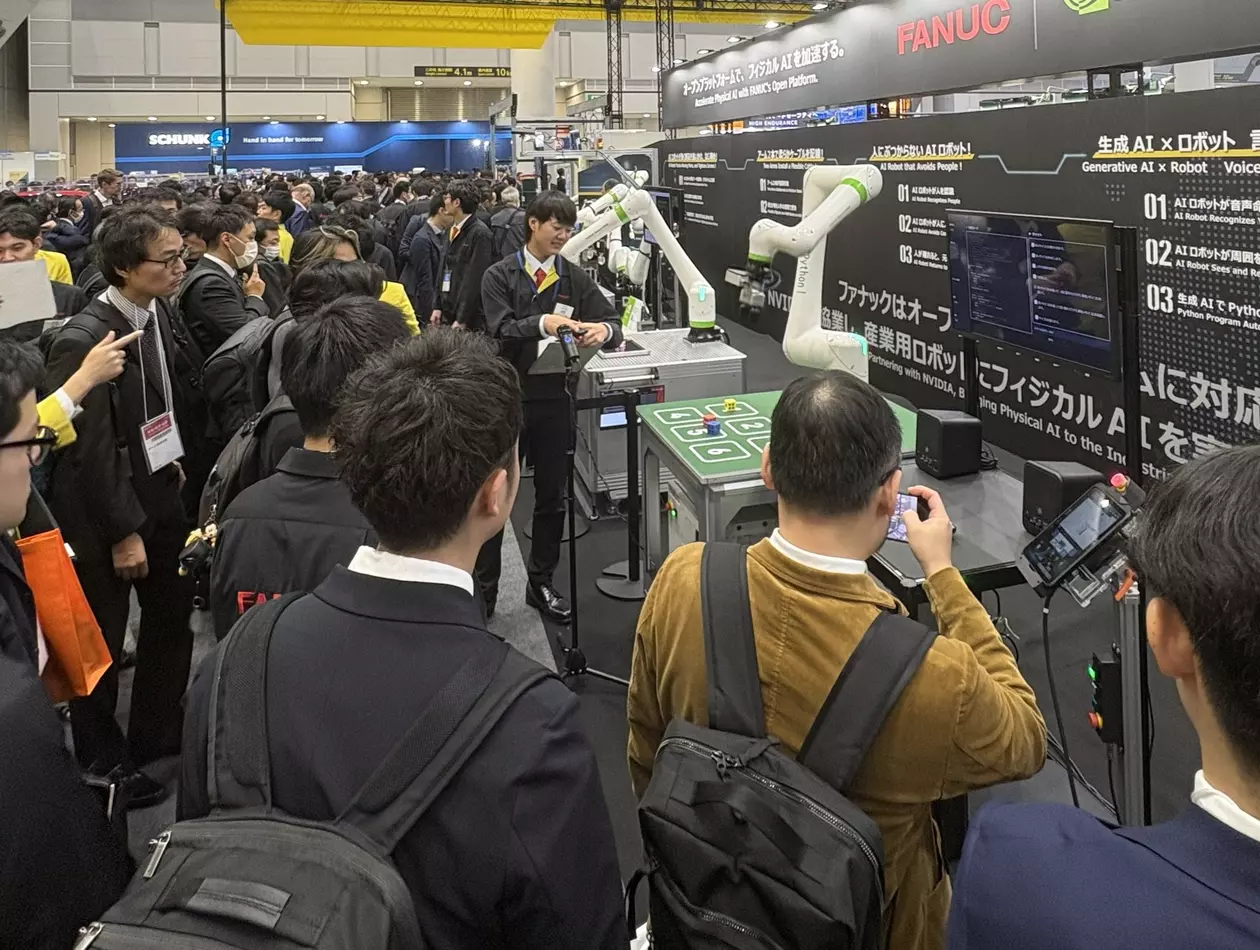
Bringing Physical AI to Life
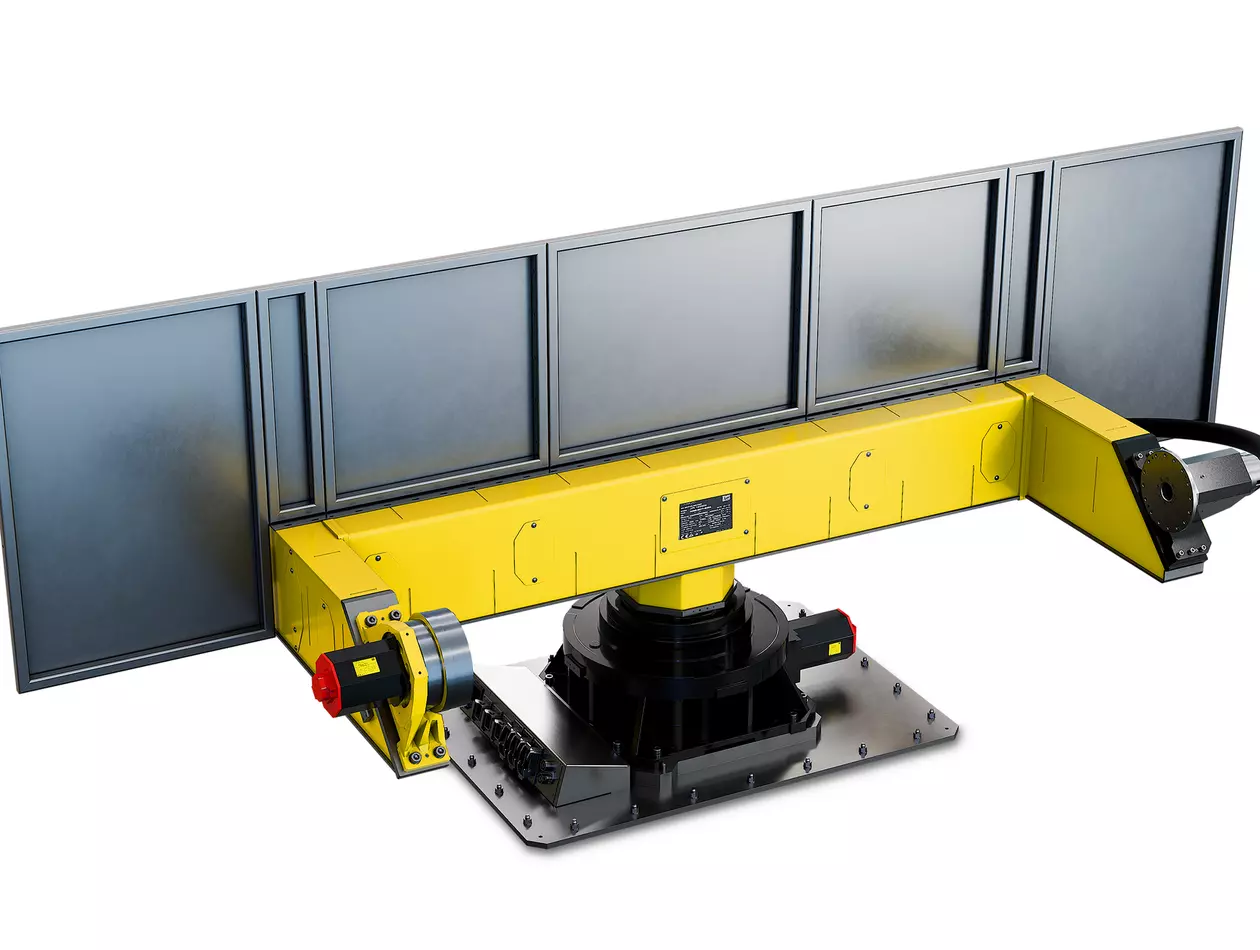
Launch of FANUC’s H-Frame positioner simplifies the specification of automated arc welding systems

FANUC Among Clarivate’s Top 100 Innovators
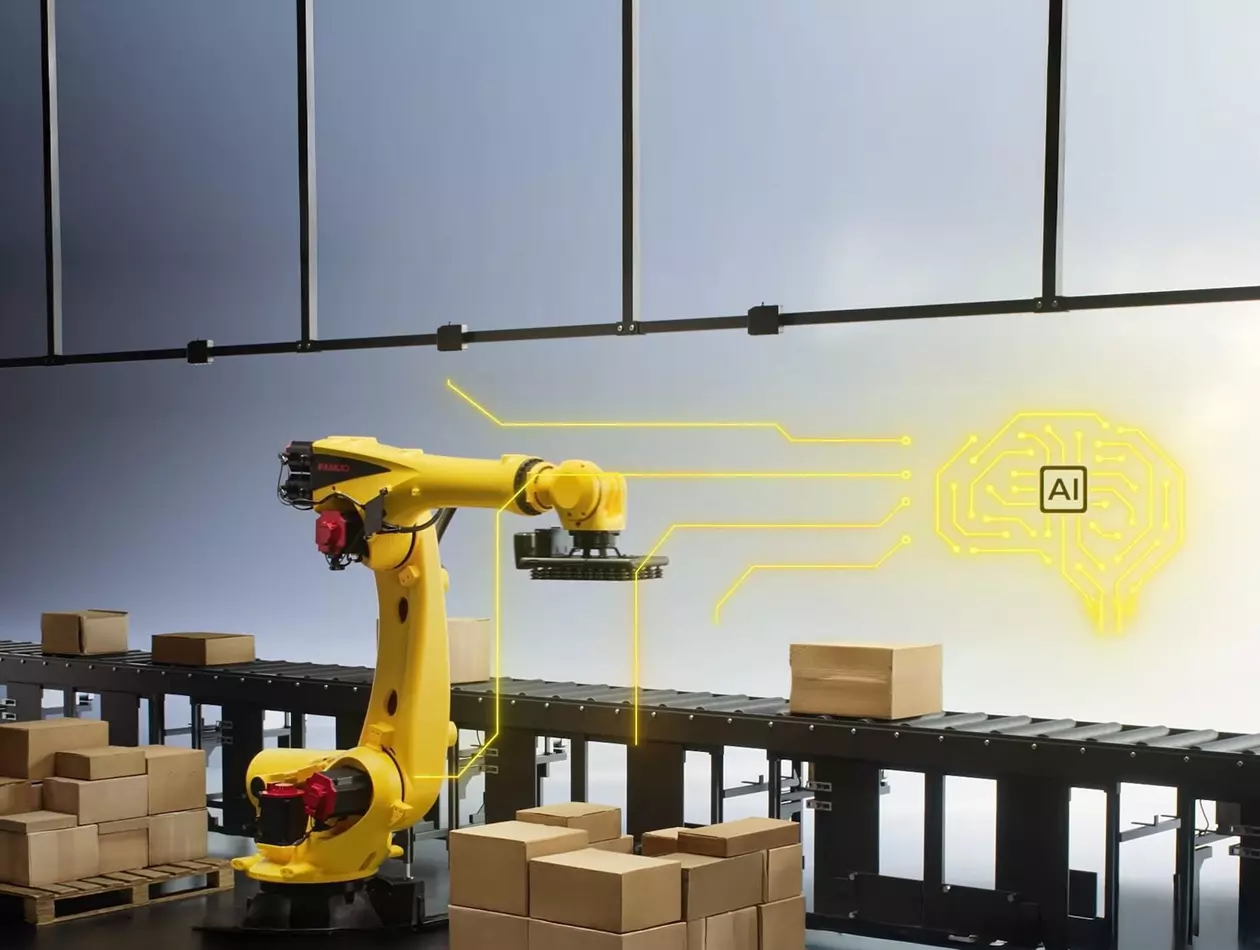
ROBOT New Technology: Open Platforms & Physical AI
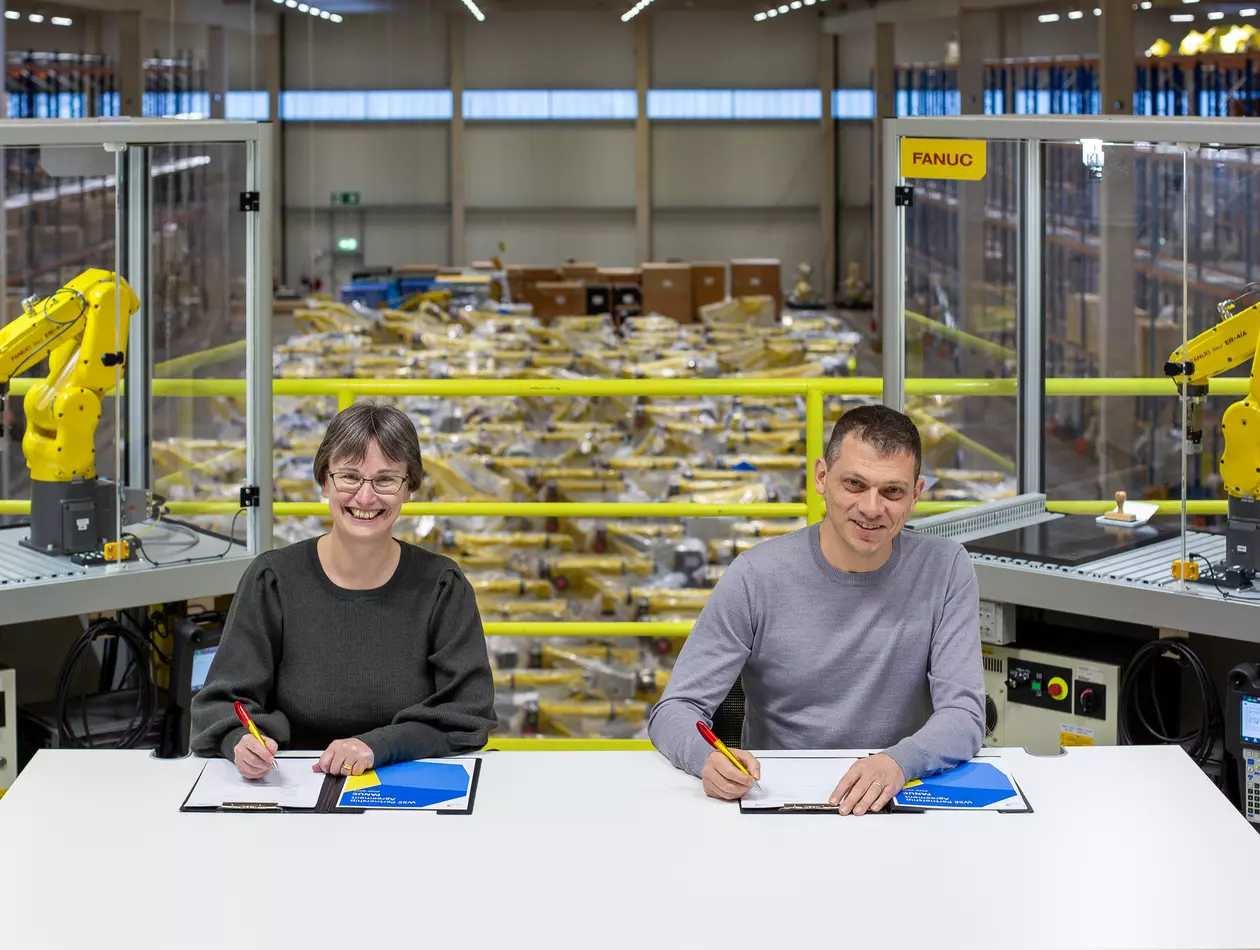
FANUC extends partnership with WorldSkills Europe
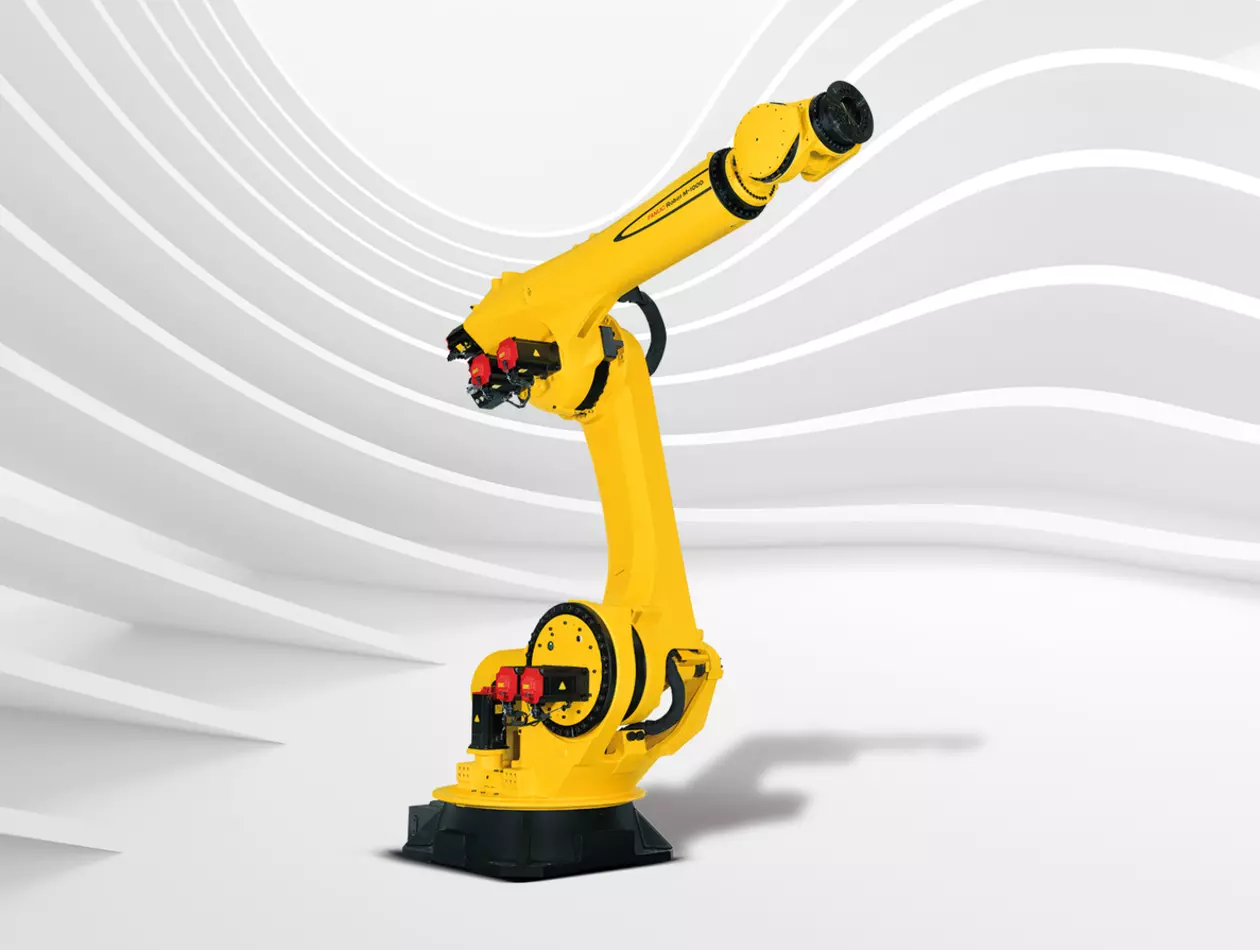
New High-Payload, Long-reach FANUC Robot makes Light Work of Heavy-Duty Applications
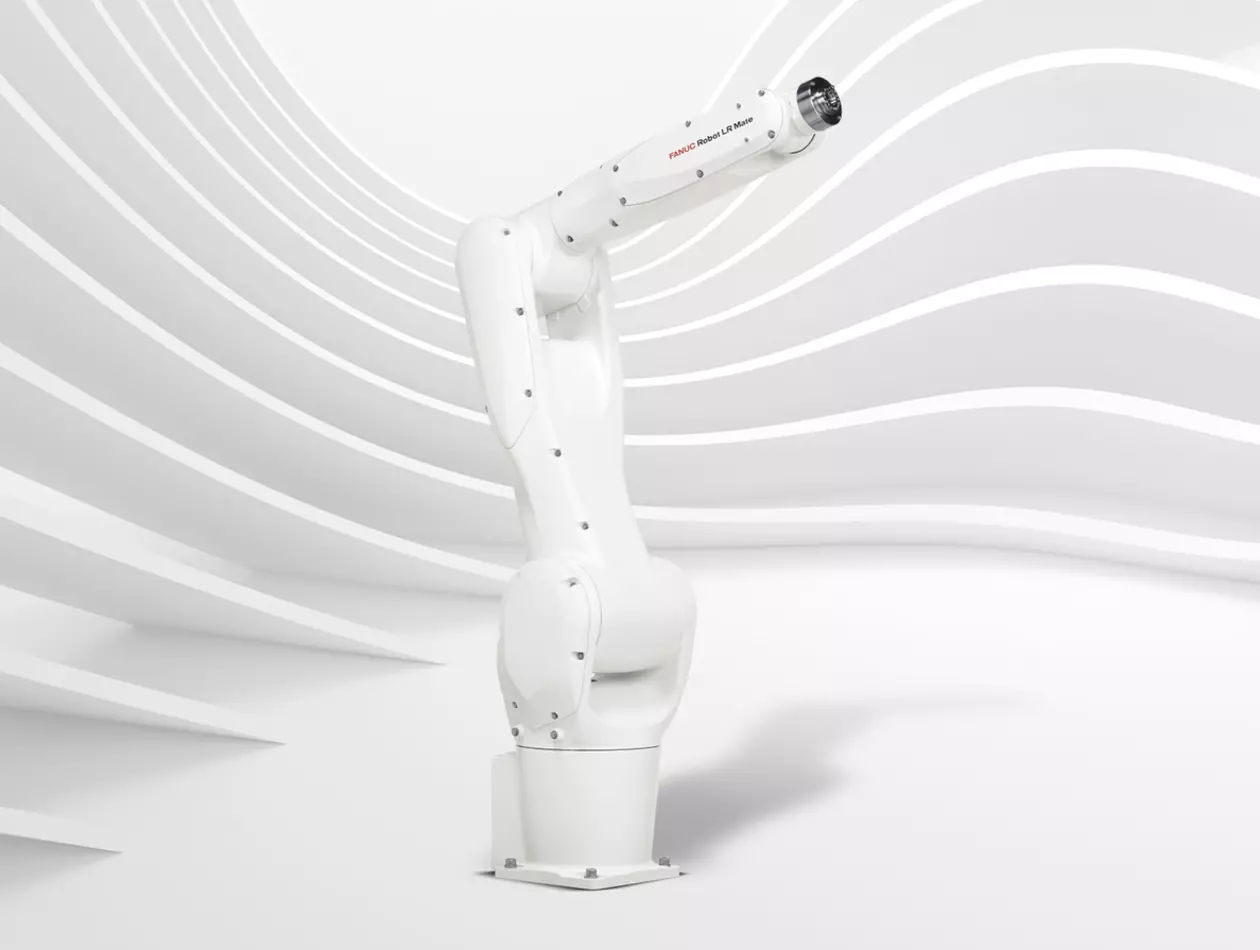
FANUC’s New Food/Cleanroom Robot pairs Hygiene with High Performance
FANUC secures Major Robot Order